 Nederlands
 English
Talentmark viert 55 jaar betrokkenheid bij wetenschappelijke en medische vooruitgang!
Talentmark is opgericht in 1971 en viert dit jaar zijn 55-jarig bestaan. Al meer dan vijf decennia ondersteunen we wetenschappelijke […]

We bieden diensten voor zowel opdrachtgevers als werkzoekenden. Maak hierboven je keuze zodat we je de juiste ervaring kunnen bieden.

By Chris Coe and Christian Wilagi
There is still plenty of cash looking for a good home, but the criteria have changed. It’s no longer enough to have a good idea and this trend looks set to continue in the year ahead. There must be a definite patient application, a clear route to market and a detailed plan for delivering a return on investment. Investor interest in Diagnostics continues to grow and companies that have the tools to detect conditions like Alzheimer’s or heart disease are gaining a lot of attention.
At the core of these tools are AI and Data. It’s clear that AI has a powerful role to play in analysing and finding insights from the vast array of data that’s being created in ever-increasing volumes. According to a report by Deloitte, more than 60% of life sciences companies are already investing heavily in artificial intelligence technologies to make processes more efficient, creating new services and products and improving existing products.
There are really good technologies looking for cash and partnerships which means that finding the right people will be essential.
As with other industries, there’s a lot of discussion around adapting supply chains and manufacturing to the new geopolitical environment. But there’s also a realisation that there is a risk of increasing waste and raising costs, at a time when there’s financial pressure on companies to be as efficient as possible.
Partnering in manufacturing has been around for a while, but it could become more attractive against this backdrop. And with companies such as Thermo Fisher acquiring not just other manufacturers but diagnostics and contract research organisations, the signs are that scale could be significant.
At a time when budgetary concerns are uppermost in everybody’s minds, it’s more important than ever to get the human capital aspect right. Not only do companies need to be streetwise in heading off investors’ immediate concerns, they also need to think strategically about ensuring their management and general recruitment strategy is future ready.
There are also really good technologies looking for cash and partnerships which means that finding the right people will be essential. We’re talking to clients about finding more innovative solutions, both in permanent hires and in contract hires, as well as helping them to build out infrastructure in the clinical functional areas. This is important because the one thing that will stop an early-stage company dead in its tracks is if you ignore the functions.
As the life sciences industry continues to adapt in the wake of the pandemic, some players expect 2023 will — despite the less exuberant investment climate — bring plenty of opportunities. Making the most of them will, to a large extent, depend on getting the right people in place to oversee such crucial operations as regulatory affairs or clinical trials.
Talentmark is opgericht in 1971 en viert dit jaar zijn 55-jarig bestaan. Al meer dan vijf decennia ondersteunen we wetenschappelijke […]
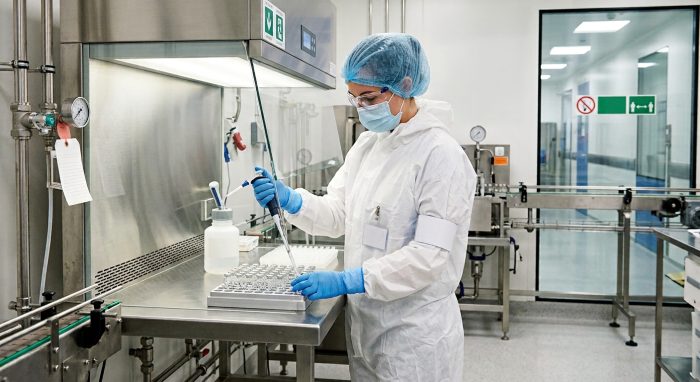
Wie werkt in de Life Sciences-industrie komt de term GMP als snel tegen. Ook wanneer je wilt gaan werken binnen […]
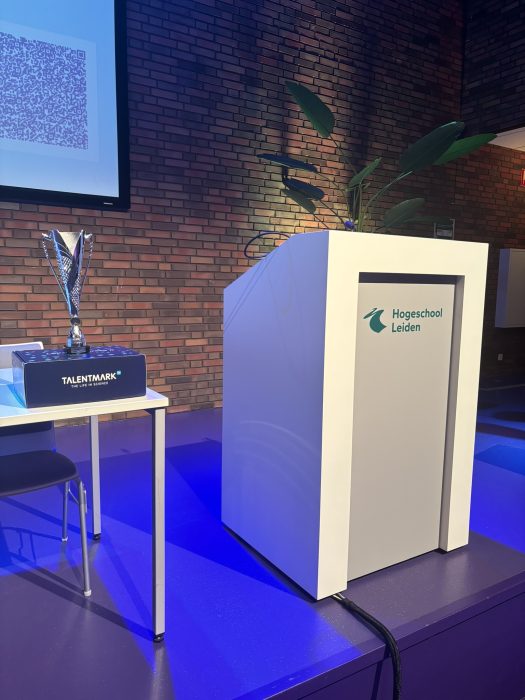
De overstap van een laboratoriumopleiding naar een stage, afstudeerplek of eerste baan kan groot aanvoelen. Welke organisaties passen bij je? […]