 English
 Nederlands
How to attract starters in Life Sciences?
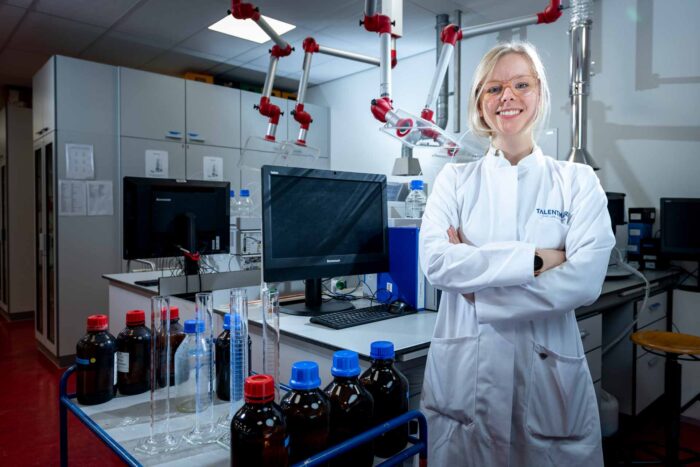
Starters in Life Sciences often have more to offer than their CV shows at first glance. They have recently completed […]

We offer services for both clients and job seekers. Make your selection above so that we can offer you the right experience.

by David Nolan
It has been exciting to be on the ground at this year’s Cell & Gene Meeting on the Mesa in California and to hear about clinical and commercial progress in the field. My colleague, Peter Kaplan and I have had some very interesting discussions with senior executives and investors. Whilst 2022 has been a challenging year for biotech, that there is optimism about the potential of new therapies as well as a fast growth curve and new innovations over the next couple of years.
We’ve also attended some highly informative panel discussions from a diverse range of thought leaders and industry innovators including: Tim Hunt, CEO, Alliance for Regenerative Medicine (ARM), Patrick Celis, lead Scientific Officer, ATMP Office, European Medicines Agency (EMA) as well as the likes of Thermo Fisher Scientific, Ginkgo Bioworks, Atara Biotherapeutics and Arbor Biotechnologies.
Here are our key take-aways:
Future winners in the field will include companies involved with the precision applications of gene therapy. An upswing is also expected for approved therapies for rare diseases as well as for more common diseases. Also, expect to see consolidation in the sector.
Recent good news stories include:
M&A has propped up gene therapy. AveXis acquired by Novartis for $8billion; Spark Therapeutics acquired by Roche for $4billion and NightStar acquired by Biogen for $800m.
Sarepta Therapeutics filed a Biologics License Application with accelerated approval for its Duchenne muscular dystrophy therapy, which has the potential to set the trend to turn around the market.
Bluebird Bio gained FDA approval in August for the first cell-based gene therapy for the treatment of beta-thalassemia and is hoping to launch its therapy for sickle cell disease next year.
There has been much less M&A activity and no IPO’s in gene therapy this year, reflecting the broader state of the biopharma bear market. There’s also still a lot of uncertainty in the financial markets. And, the reality of a post-approval market is that valuations have come down.
At the same time, cell and gene therapy is a young field on the cusp of realized promise. Investors still have money available for companies with solid science, strong management teams and differentiated data. The strong data from Fate Therapeutics for their IPSC- derived cell therapies is a good example.
Investor sentiment also has seen a shift in investment in platform companies to product companies addressing a specific disease and indication, where the technology will have a meaningful difference to the disease progression.
The FDA has reorganized and recognized the need to manage all the applications for new cell and gene therapy products, establishing a new Office of Digital Transformation (ODT) with 500 assessors and more scientific expertise.
Peter Marks, FDA Director commented that the agency is working to support innovation and is considering allowing the leverage of non-clinical data and manufacturing information from one product for use elsewhere, as part of a global regulatory convergence framework for the harmonization of cell and gene therapy.
The general consensus from leaders in the field is that young companies cannot do everything themselves and require the assistance of good partners. This is important given that the future goal for all these novel therapies is to impact and widen patient access so that more people can benefit from these novel therapies.
For successful commercialisation, it’s important to cultivate relationships at the earliest stages of development with both patients and caregivers in order to better understand the patient journey and determine any unmet needs. In this way, patients can become advocates for the rest of the community.
Additionally, to successfully conduct a global launch for a gene therapy, a sponsor should pre-establish market access via a team in every country, alongside patient engagement and medical teams providing market education and patient engagement.
Contact David Nolan Starters in Life Sciences often have more to offer than their CV shows at first glance. They have recently completed […]
According to a poll on the LinkedIn account of Talentmark, work atmosphere, team and work-life balance are the factors that […]

From Juni 2026, employers within the EU will be required to share salary information before the interview stage. However, salary […]