 English
 Nederlands
Talentmark Celebrates 55 Years of Supporting Scientific and Medical Progress
Established in 1971, we’re celebrating 55 years of supporting scientific innovation across the life sciences and chemical industries through specialist […]

We offer services for both clients and job seekers. Make your selection above so that we can offer you the right experience.
The DNA of the North: Collaboration as the engine of the Life Sciences sector
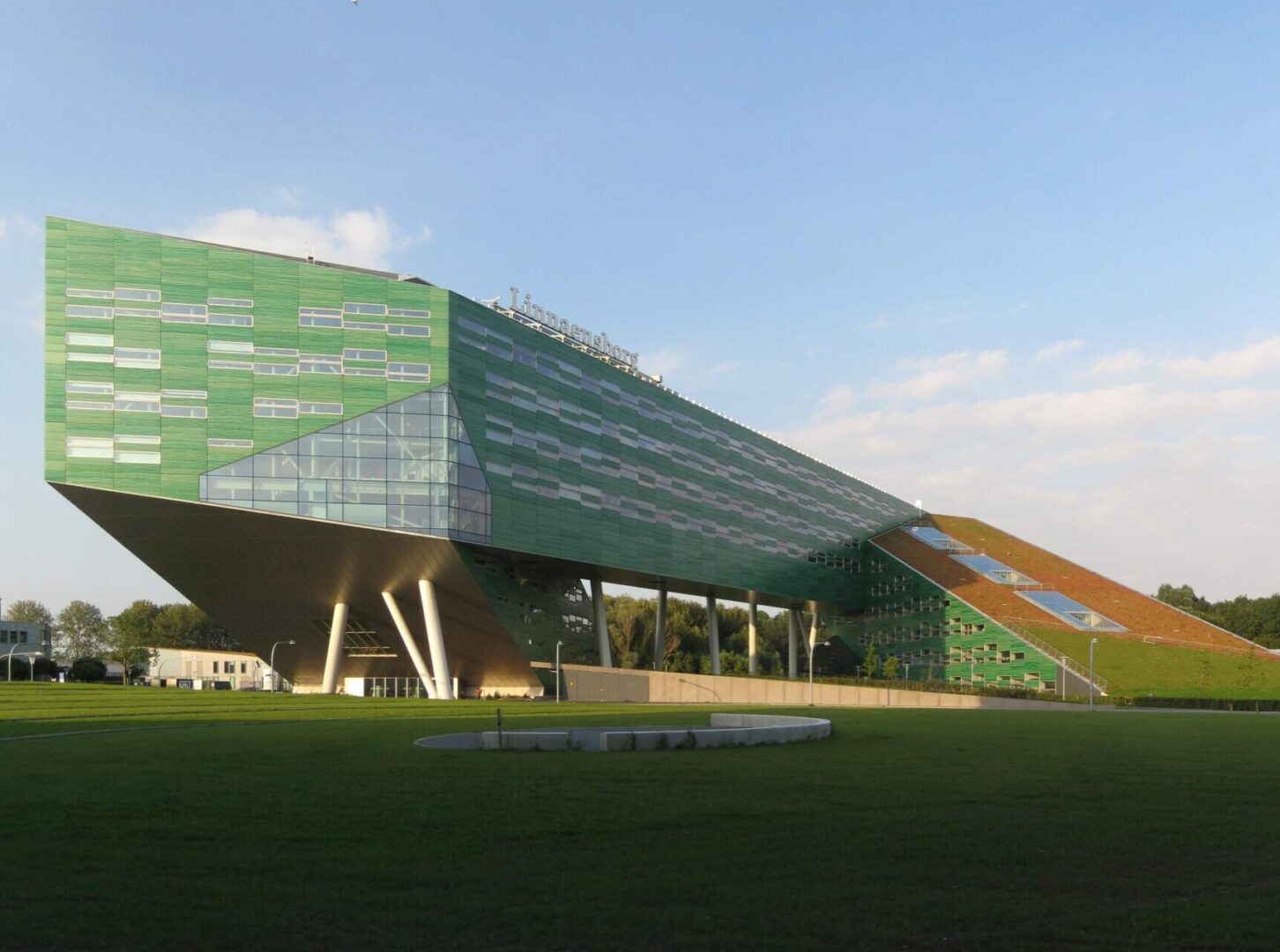
The Life Sciences sector in Northern Netherlands is flourishing. Campus Groningen, which includes the Zernike Campus and the Healthy Ageing Campus, forms the beating heart of the region. However, the strength of the area extends beyond just Groningen. Life Cooperative actively involves the entire northern region, including Friesland and Drenthe, in this growth by collaborating with companies and educational institutions, creating a network where innovation and talent have ample opportunities. We spoke with Peter Ketelaar, managing director of Life Cooperative, about the power of collaboration, the sector’s growth, and what makes the north so special for companies and talent in Life Sciences
What sets the north apart in the Life Sciences sector, according to Peter Ketelaar, is the unique culture of collaboration. “It’s all about collaboration here. If, for example, there’s a need for specific training that better aligns with regional demands, we set that up together with the university and college,” he explains. Peter emphasizes how this collaboration contributes to the region’s growth: “We focus on knowledge that is relevant to our region, such as drug research and laboratory techniques. The success lies in the fact that we do it together. Everyone here understands that we need each other to keep growing.”
A key example of this collaboration is how Life Cooperative addresses the demand for trained talent. Peter shares, “We work together with the University of Groningen, Hanze University of Applied Sciences, and vocational schools to tailor education to regional needs. This ensures that companies can continue to grow here and talent can develop locally.” The collaboration extends beyond education: “If a company needs additional laboratory space, we work together with the campus, government, and other businesses to find a solution. It’s a network where everyone contributes to each other’s success,” says Peter.
The Life Sciences sector in Northern Netherlands not only offers opportunities for companies but also for talent. Peter Ketelaar sees great potential in the region: “Here in the north, we may not have as many jobs as, for example, the Randstad, but in the Life Sciences sector, there are still about 300 to 400 vacancies annually. Especially in the beta and technical fields, there are many roles to be filled,” he explained. These vacancies provide opportunities not only for local talent but also attract people from outside the region.
According to Peter, it’s important for the region to gain more recognition as a work destination within the Life Sciences. “A lot of people don’t know there’s such a high demand for talent in the region,” he says. “That’s why we need to actively promote and show what the north has to offer. You can build a full career here, especially with all the different companies in the area.”
What makes the region attractive is the combination of work and quality of life. Peter is convinced that working in Northern Netherlands offers advantages that other regions can’t match. “Living here is different. You have much more space and nature, and although Groningen is smaller than, say, Amsterdam, it has everything you need in terms of culture and amenities,” he says.
The growth of the Life Sciences sector in Northern Netherlands is not only due to innovations and collaborations but also to how the region attracts and retain talent. Peter Ketelaar explains: “The most important thing is that we offer competitive salaries and give people the opportunity to grow. If someone starts at a company as a researcher, we want them to develop into a project manager or maybe even take on a commercial role.” This allows professionals the space to chart their own career paths and develop further within the region. Life Cooperative is also working on creating flexibility for employees. Peter emphasizes, “We are working on modular education so that people so that people already in the workforce can upskill or reskill.” This enables the region to attract new talent while also retaining experienced professionals who want to expand their skills.
The future of the sector looks promising. Peter is optimistic: “The sector has been growing here for about 10 years at a rate of 7% per year. When I started at Life Cooperative two years ago, we had 50 members, and now we’re almost at 65.” Close collaboration with educational institutions, such as the University of Groningen, is a key driver of this growth. Peter Ketelaar sees many growth opportunities, especially if the region continues to work together to improve education and retain the right talent. “I’m very positive about the future,” Peter Says. “We have a strong foundation, and with the right focus on talent, we will continue to grow.”
Established in 1971, we’re celebrating 55 years of supporting scientific innovation across the life sciences and chemical industries through specialist […]
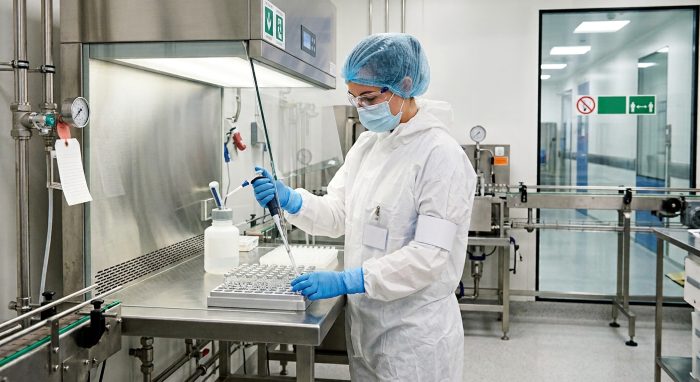
If you work in the Life Sciences industry, you are likely to come across the term GMP quite quickly. Knowledge […]
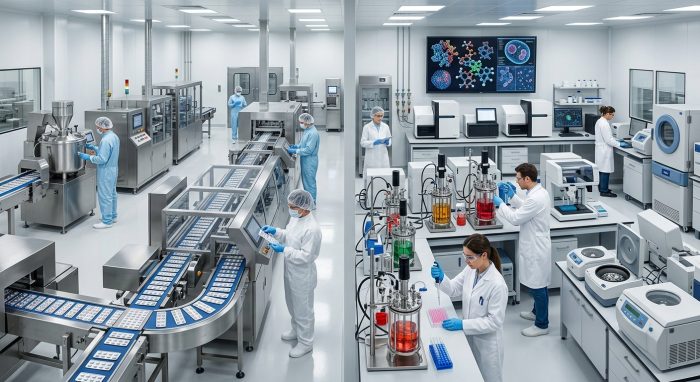
At Talentmark, we use the tagline ‘Guiding your life in sciences’. It directly reflects the field in which we operate. […]